Tabasco
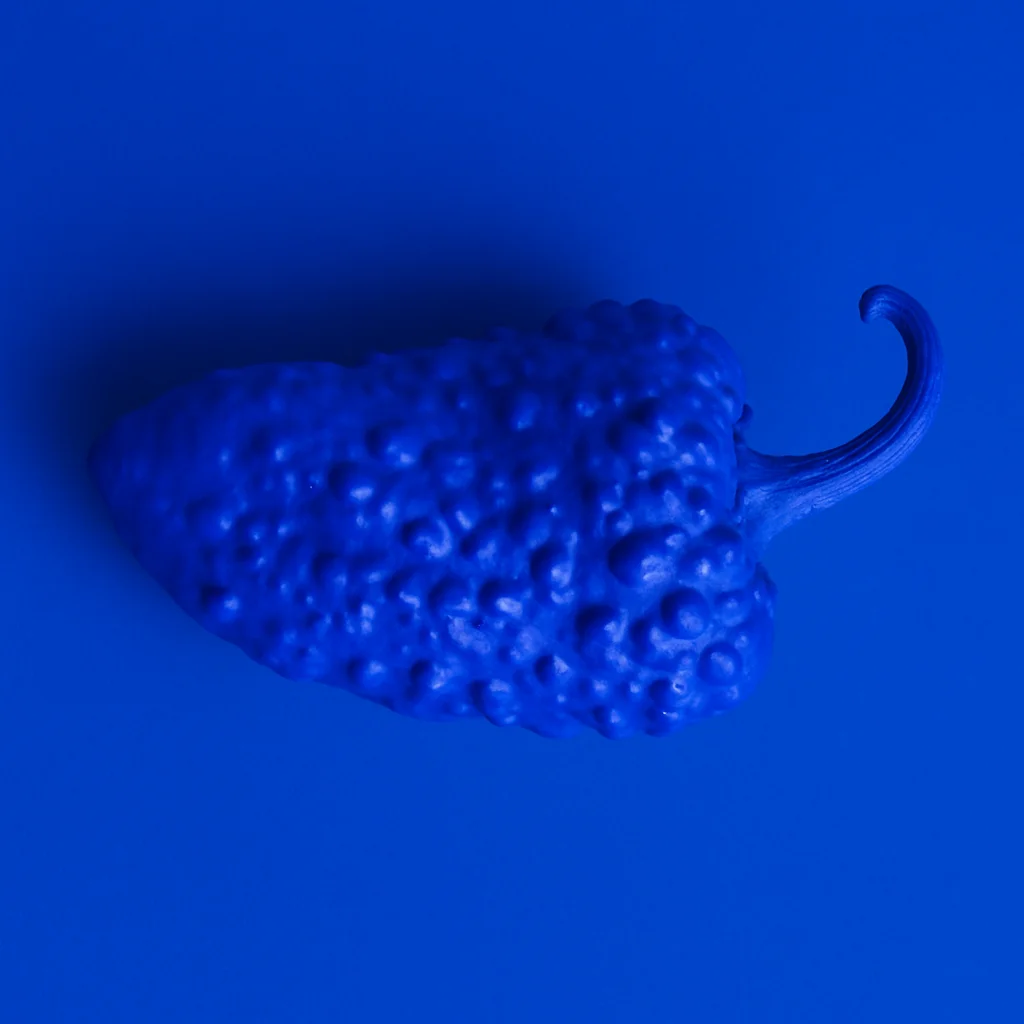

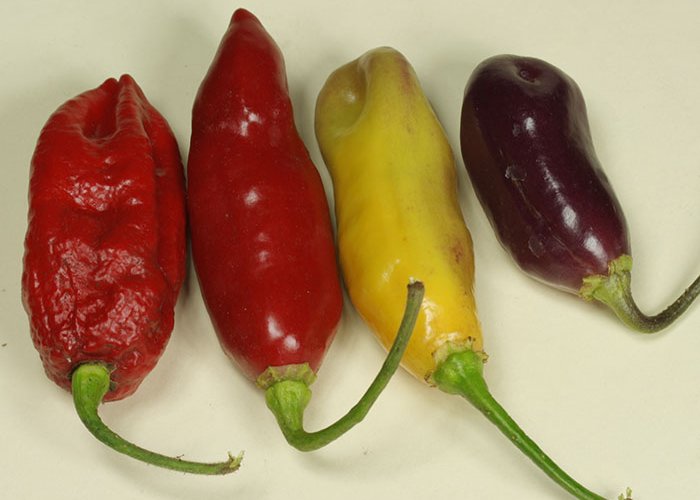
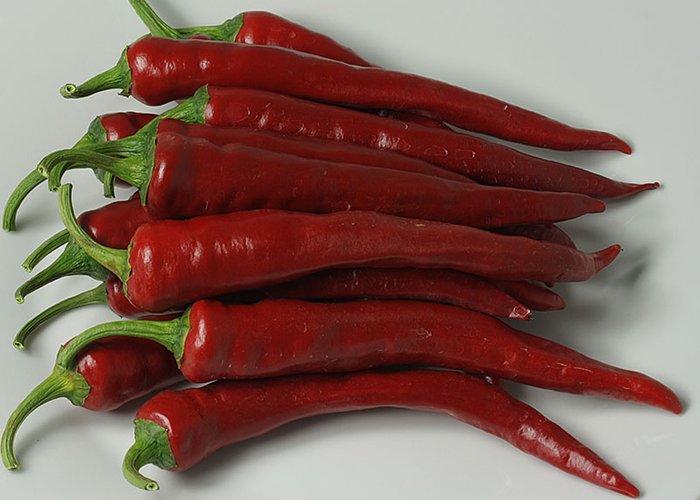
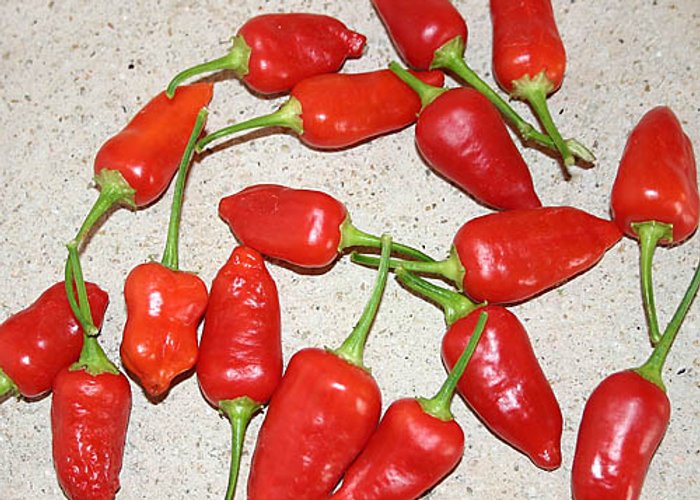
The Tabasco pepper is a cultivar of Capsicum frutescens, one of the few well-known chilies from that species rather than C. annuum or C. chinense. Named for the Mexican state of Tabasco, the plant produces slim, upright pods that grow pointing skyward and ripen from yellow-green through orange to red, rating about 30,000 to 50,000 Scoville Heat Units. Its fame comes from Tabasco sauce, which Edmund McIlhenny began producing on Avery Island, Louisiana, in the late 1860s using mashed peppers, local salt, and vinegar aged in barrels. That fermentation-and-vinegar method gives the sauce its tangy, sharp heat. Unlike thick-walled chilies, Tabasco pods are juicy and relatively thin-skinned, well suited to mashing and fermenting. Beyond the sauce that made it a global household name, the variety is also grown fresh for its bright, watery, acidic heat.
The Tabasco pepper is a cultivar of Capsicum frutescens, one of the few well-known chilies from that species rather than C. annuum or C. chinense. Named for the Mexican state of Tabasco, the plant produces slim, upright pods that grow pointing skyward and ripen from yellow-green through orange to red, rating about 30,000 to 50,000 Scoville Heat Units. Its fame comes from Tabasco sauce, which Edmund McIlhenny began producing on Avery Island, Louisiana, in the late 1860s using mashed peppers, local salt, and vinegar aged in barrels. That fermentation-and-vinegar method gives the sauce its tangy, sharp heat. Unlike thick-walled chilies, Tabasco pods are juicy and relatively thin-skinned, well suited to mashing and fermenting. Beyond the sauce that made it a global household name, the variety is also grown fresh for its bright, watery, acidic heat.
Last updated Oct 5, 2026