Habanero
📷 Photo: Semillas.de

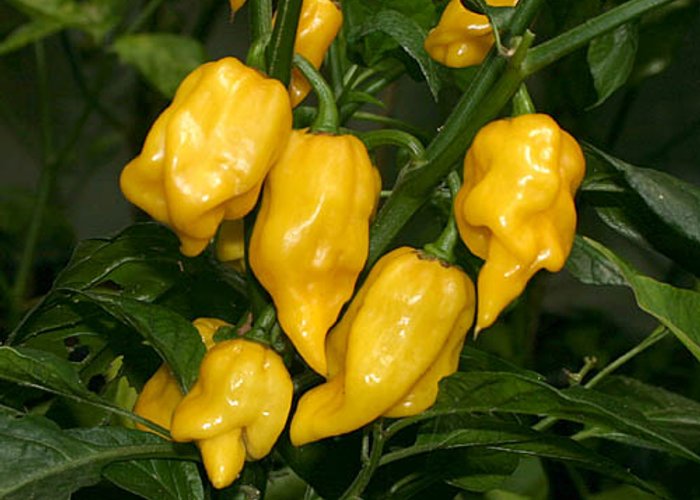
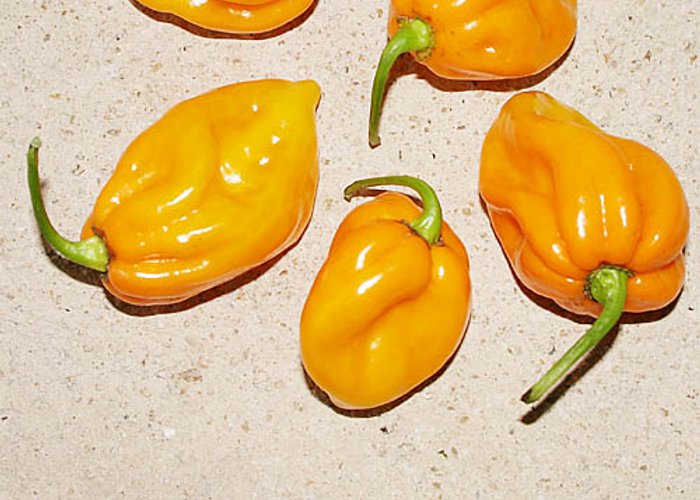
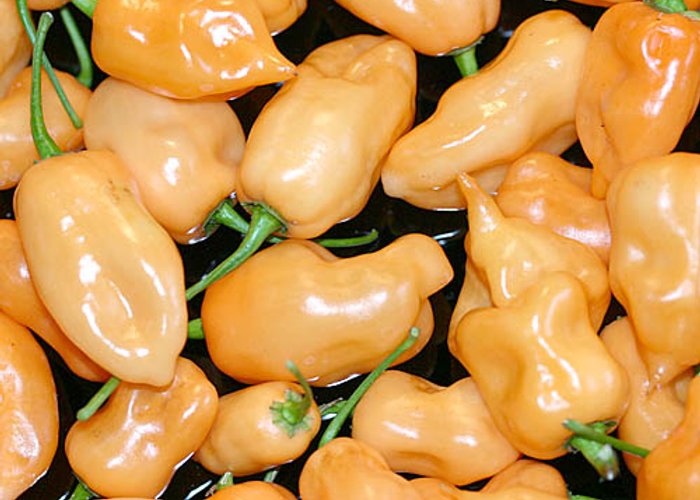
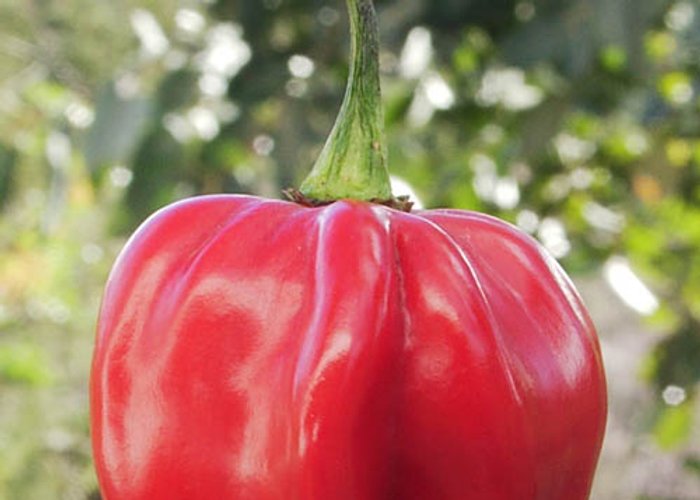
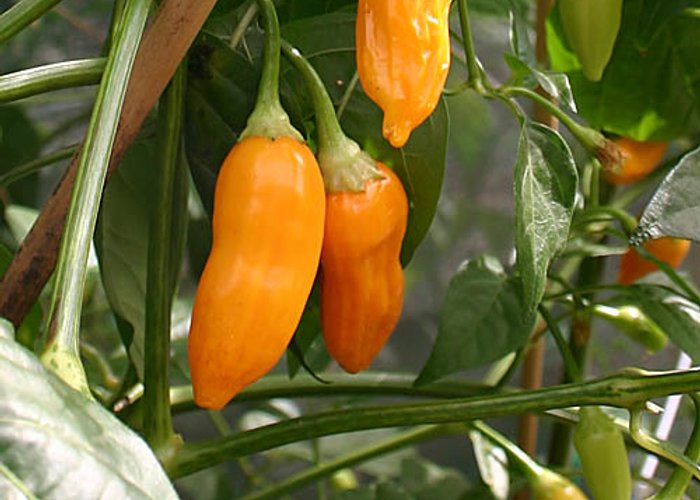
The habanero is a cultivar of Capsicum chinense, the same species as the Scotch bonnet and most superhots. Though a Dutch botanist mistakenly linked the species to China, it is entirely a New World plant; genetic and archaeological evidence trace C. chinense to the Amazon and northern South America, with the habanero strongly associated with Mexico's Yucatan Peninsula. Typical pods rate between roughly 100,000 and 350,000 Scoville Heat Units, most falling in the 200,000-300,000 band. What sets the habanero apart from hotter chilies is its aroma: a distinct floral, apricot-and-citrus fruitiness that survives cooking. That perfume makes it a favorite base for fruit-forward hot sauces paired with mango, pineapple, or orange, as well as salsas, marinades, and Yucatecan dishes. The small lantern-shaped pods ripen through green to orange, red, or chocolate brown.
The habanero is a cultivar of Capsicum chinense, the same species as the Scotch bonnet and most superhots. Though a Dutch botanist mistakenly linked the species to China, it is entirely a New World plant; genetic and archaeological evidence trace C. chinense to the Amazon and northern South America, with the habanero strongly associated with Mexico's Yucatan Peninsula. Typical pods rate between roughly 100,000 and 350,000 Scoville Heat Units, most falling in the 200,000-300,000 band. What sets the habanero apart from hotter chilies is its aroma: a distinct floral, apricot-and-citrus fruitiness that survives cooking. That perfume makes it a favorite base for fruit-forward hot sauces paired with mango, pineapple, or orange, as well as salsas, marinades, and Yucatecan dishes. The small lantern-shaped pods ripen through green to orange, red, or chocolate brown.
Last updated Oct 5, 2026